


I am getting back into the weekly schedule of Now We See posts after a summer break. There is one free article a month, paid subs also gain access to 100 other articles, see new work first and support a real, living artist!
My Gingers of America book has finally gone to the printer. Now is the time to order copies! The first run is limited to 800 standard editions in the US and 200 in the UK. There are even fewer special editions, and they are very special. Buy now.
Photojournalist Kieran Dodds of Scotland came to Birmingham in 2025 as part of his travels across the United States to ask everyday Americans the question, “What unites the States?”
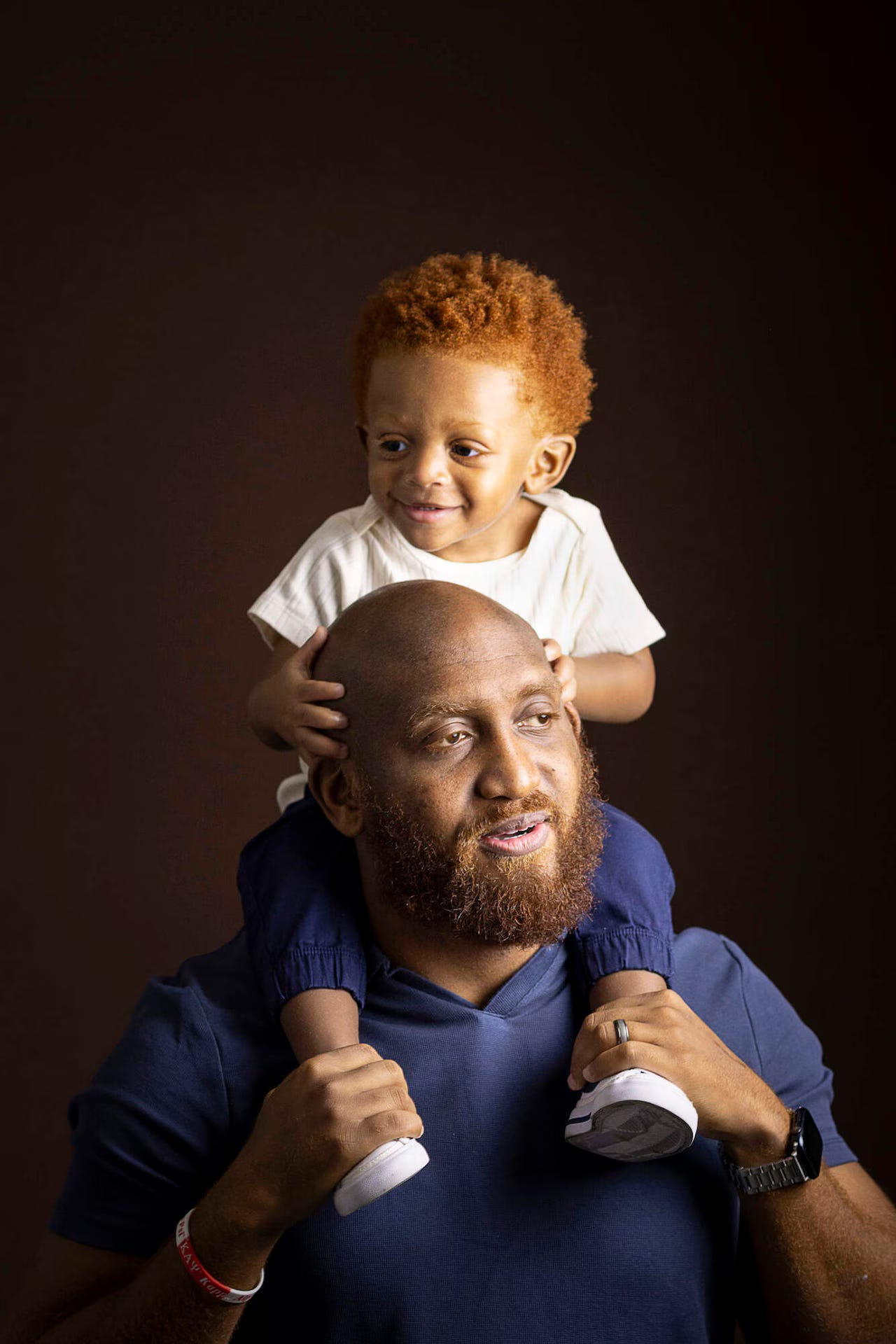
Dodds wanted to look deeper than the political and cultural divisions that dominate the news and social media.
“It’s said that if you want to hate America, watch the news; if you want to love it, take a road trip,” Dodds wrote in his new book, “Gingers of America,” a collection of portraits and interviews with Americans from more than a dozen states.
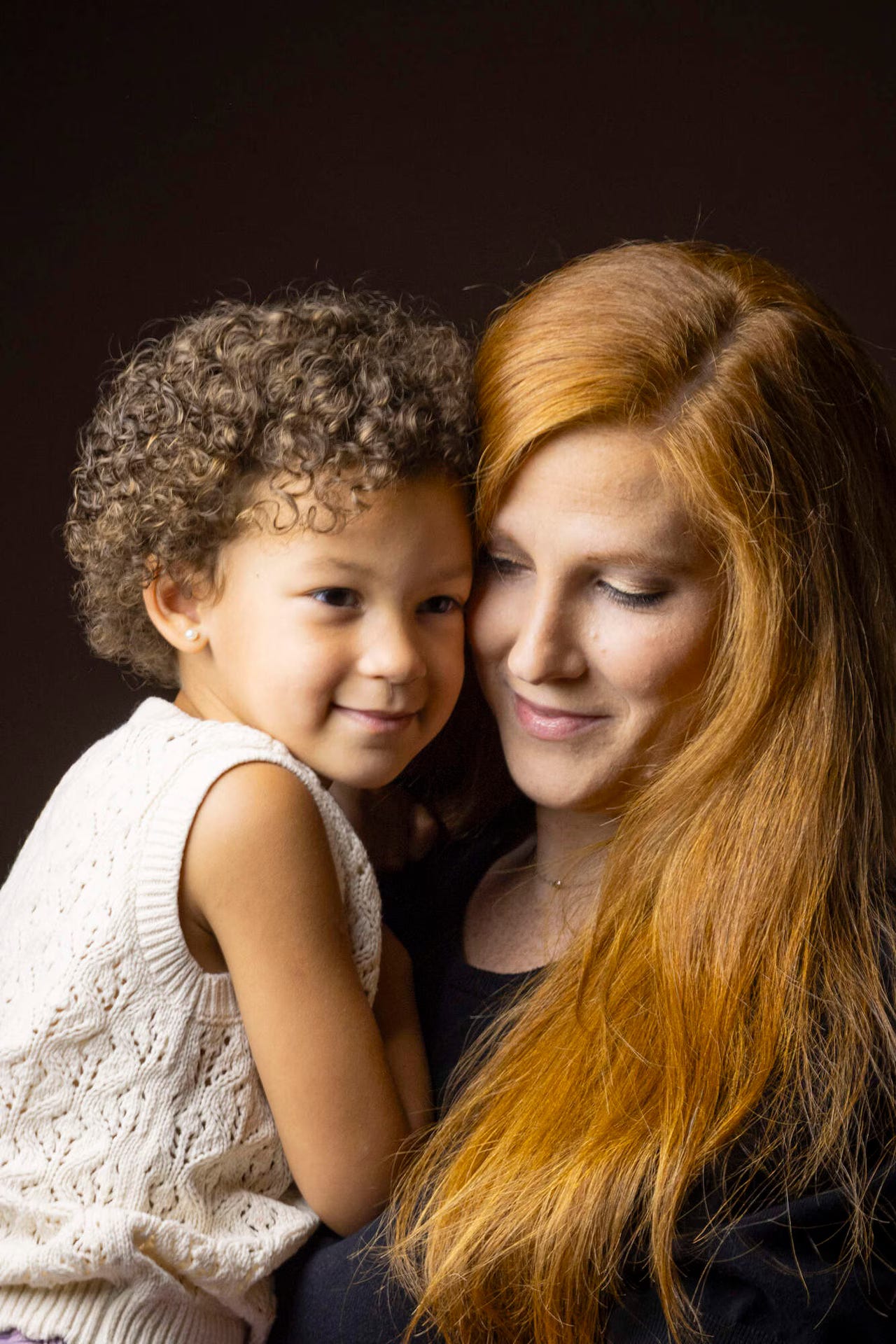
The book is Dodds’ third in the Ginger series, in which he highlights a recessive genetic trait – reddish hair – as an example of the origins that connect humans across race, nationalities, and continents.
“This book is not really about hair,” Dodds wrote.
“It explores national and global connections and reminds us of our shared story, a golden thread that weaves through us all, coiled up in every cell of our bodies,” he wrote.
“We, the people, are all made of the same substance — and sometimes it shows.”
Dodds came up with the idea in 2014, as Scotland prepared to vote on whether to separate from the United Kingdom, a move the Scots would reject.
Dodds wanted to explore what gave Scots their identity.
One trait is that more gingers are found in Scotland than in most of the rest of the world, although they are still a minority, fewer than one in eight Scots.
Dodds, who is ginger, uses the term for a range of colors - including red, auburn, and strawberry blonde.
Dodds learned there were concentrations of gingers in places he found surprising, including pockets in Russia and Jamaica.
He was intrigued that southern European artists of the Early Renaissance portrayed Jesus and Mary, middle Easterners, as ginger.
After “Gingers,” his first book in the series, received attention on the BBC, Dodds heard from gingers in America, including people whose families were Native American, Hispanic, and central Asian.
During visits from 2024 to 2026, Dodds interviewed and made portraits of hundreds of gingers across the country, meeting people from a range of backgrounds and family origins, including Native Americans and Black Americans.
Dodds said his interview subjects usually paused for a moment after he asked his last question: “What unites the States?”
“And yet, answers soon emerged that spoke of common life: local and national pride, family and ancestry, sport, food, religion, community spirit, shared values of freedom and equality,” Dodds wrote.
“Equality: the notion that everyone is kin, formed in the image of God, and therefore equal, was declared self-evident by the Founding Fathers.
“These days, that idea sometimes feels abandoned, but my interviews showed me that perhaps we are just looking in the wrong places or have forgotten how to see our fellow humans.”
Dodds said what stood out about his time in Alabama was the state’s diversity, the urban and rural, interior and coastal, young and old, factory workers and professionals.
“I think people back in the UK are surprised that I liked the state because they are running on old software,” Dodds said in an email.
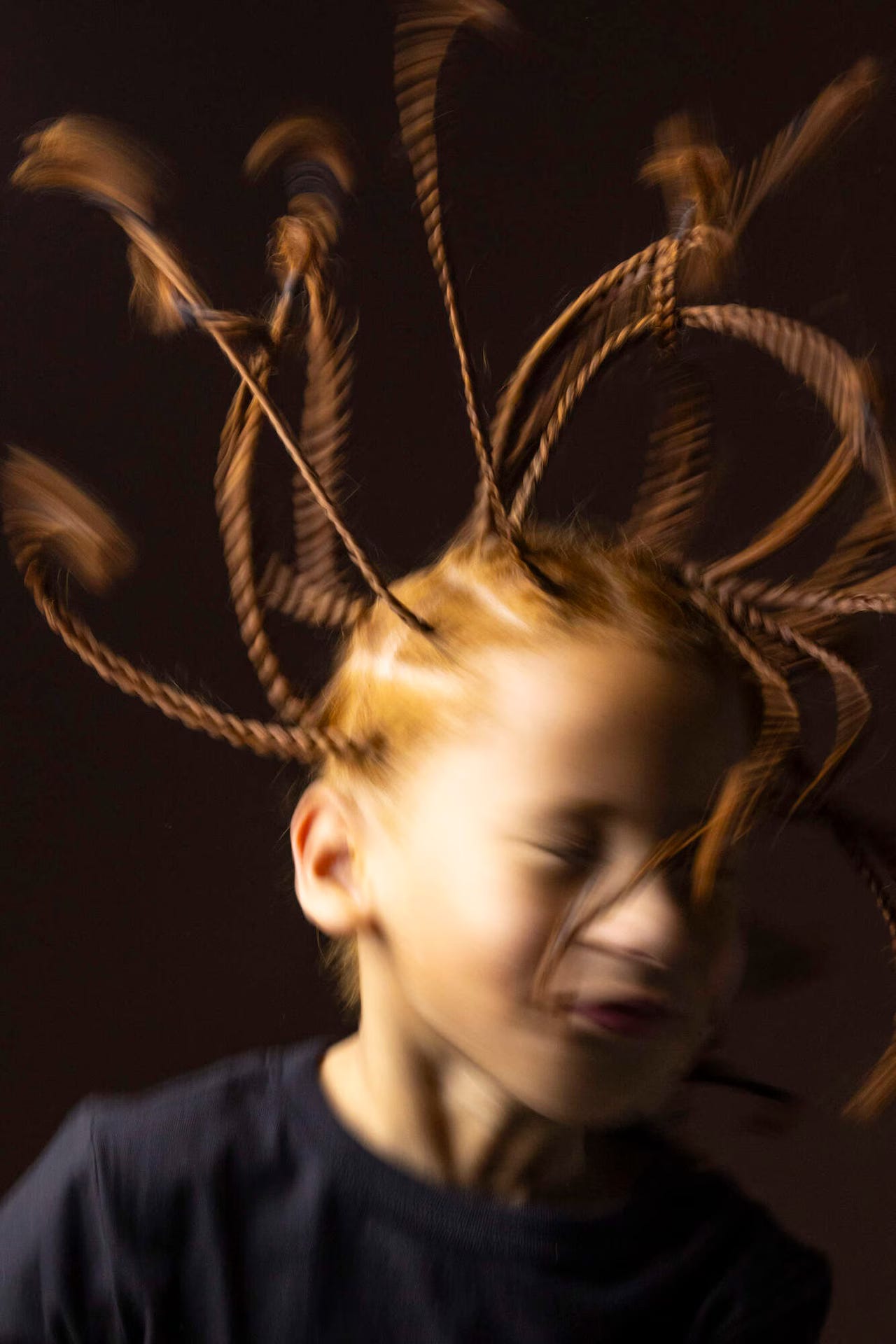
“Alabama appeared to me not a backwater but a hub, a place people come to make life.”
Dodds said some people drove from Alabama’s coast to sit for portraits in Birmingham.
He did not know the state had a coast. And he learned about the state’s obsession with college football.
“Alabamans seem as sports mad as Brits but your football is oddly-shaped,” Dodds said.
Dodds said he knew of Alabama’s history of racial conflict but appreciated it more after a visit to the Birmingham Civil Rights Institute.
“I came out wiping away tears which takes a lot as a Scotsman,” Dodds said.
His book carries a quote from Rev. Fred Shuttlesworth, the Birmingham civil rights pioneer:
“Confrontation is not bad. Goodness is supposed to confront evil.”
Dodds studied zoology at the University of Aberdeen, where he was editor of the student newspaper and earned a degree in 2002.
He learned that his favorite part of the academic work was documenting research with photographs.
“To some people, writing comes most naturally, or speaking. But it’s when I’ve got a camera in my hands that I feel that I can interact with the world and start to process it,” Dodds said.
“It’s just the way I encounter the world. When I see something awesome or beautiful or the opposite,” Dodds said.
After college, Dodds became a staff photographer for the Evening Times in Glasgow, where he covered news, sports, and feature projects such as great white sharks in South Africa and evangelist Billy Graham’s final crusade in New York.
His freelance collection, “The Bats of Kasanka,” documenting the migration of millions of fruit bats to Zambia, the world’s largest migration of mammals, won first place in the World Press Photo awards for nature stories in 2006.
Dodds said his visits to America reinforced what he has learned from decades in journalism - that headlines and media labels do not reflect the true nature of people and places.
“Everyday life appears less dramatic on one level yet the divine is in the details,” Dodds said.
“I made portraits of people who enjoy the dignity of daily things: raising families, educating themselves or cooking out with friends.”
Read the full article on AL.com
END