


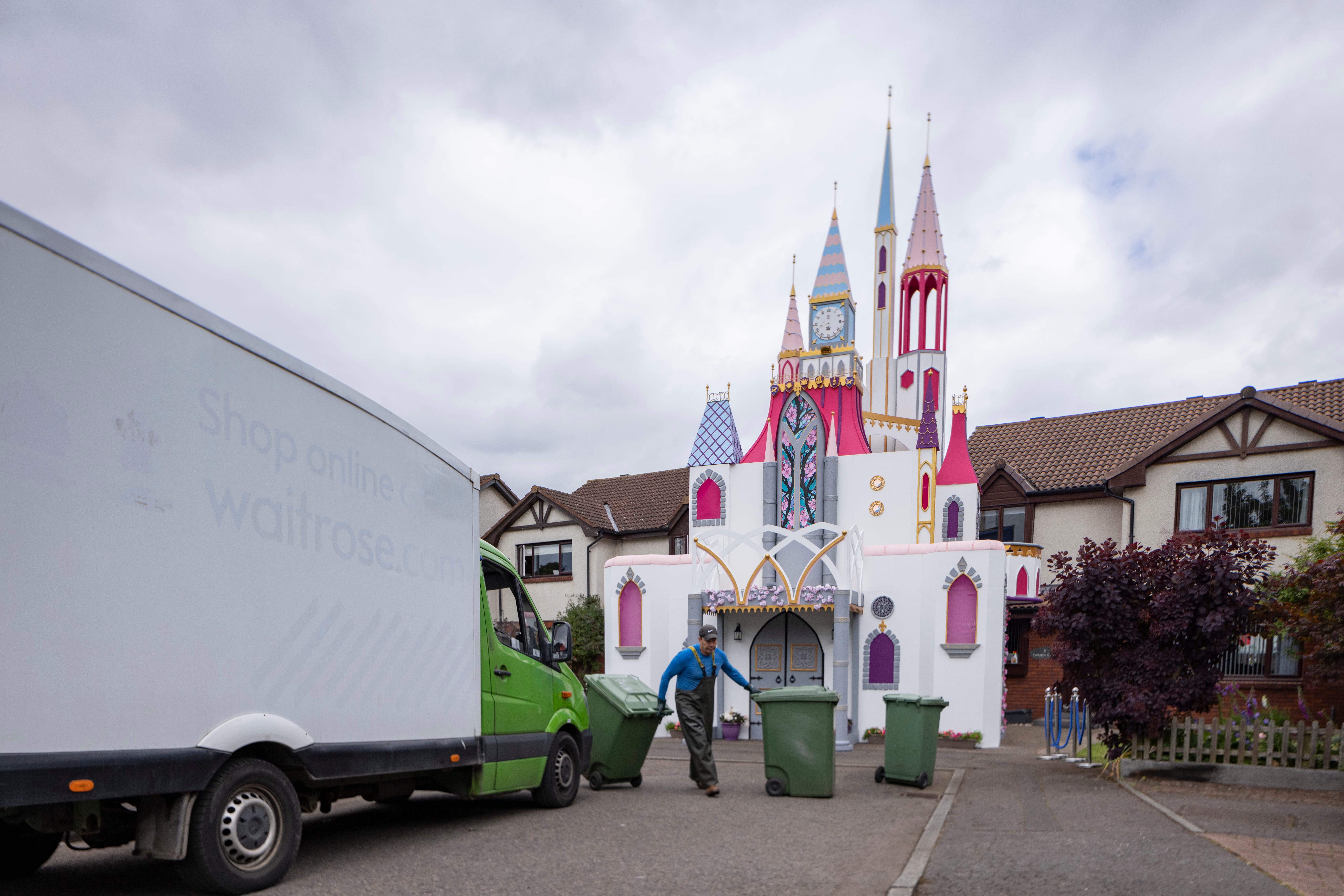
Why are Scottish people building castles in their suburban streets?
Just a few centuries ago in Scotland, colliers, or coal miners, existed as slaves, each forced by law to work at the same coal mine for their whole life. At the end of the eighteenth century, laws were passed to grant their freedom. The miners of Bo’ness decided to celebrate with an annual summer fair, which continues to this day, now as a children’s fair. Every year, a queen is chosen from among the pupils at one of the local primary schools (which take it in turns to put forward a monarch), and their classmates became the royal retinue.
Other Scottish towns have galas and fair days with queens, but Bo’ness, a wee town on the Firth of Forth, takes it to another level. Around midsummer, arches resembling fairy-princess castles appear across the town. These impressive structures, usually made from recycled wood, are built and decorated by friends and families. The town itself grinds to a cheering halt on Fair Day as bands process with the queen to be crowned. Even Tesco closes – did that happen for King Charles’ coronation?
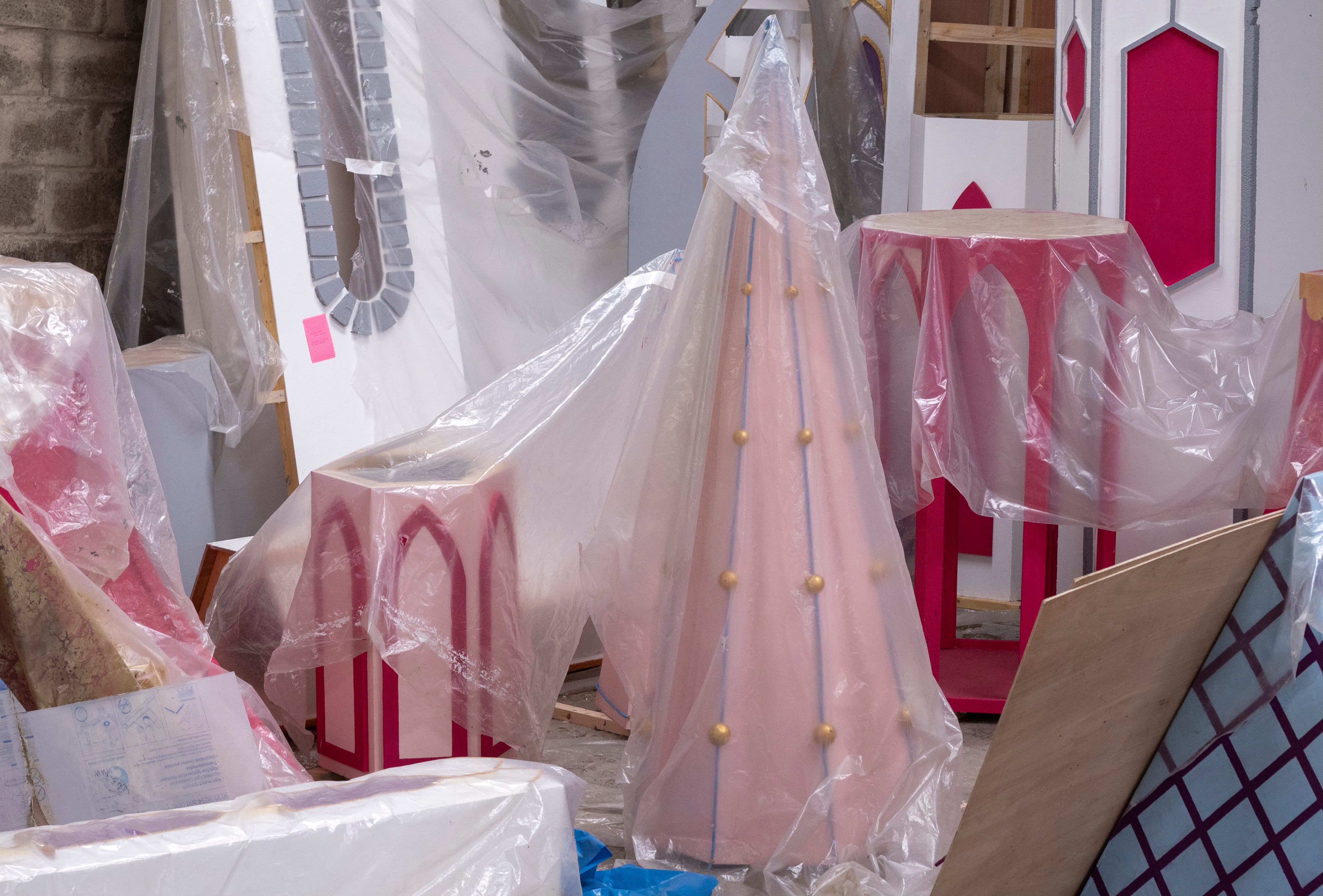
This year, I decided to return to the fair, having first gone in 2017, when I was distracted by moving cities and looking after baby twins. The father of this year’s queen gave me permission to come and document the town, the structures, and the people behind them. To me, this was a story of community connectedness and mad joy in a fragmented world, and I wanted to understand what it means to the people of Bo’ness.
Queen Ella’s palace was remarkable, constructed over the course of weeks with the help of friends who were engineers, art teachers and joiners. It towered over the family home, and it raised smiles, but if the other structures in the town could not hold their own, then what I had was a single image rather than a story.
To be quite frank, and that is what this Substack is for, I returned from Bo’ness one day entirely despondent and ready to retire from the whole photographic endeavour. My initial enthusiasm for the story had waned, as it tends to, and I was faced with whether to stick or quit. Without a commission or longer-term project in mind, returning to the town seemed purely to be indulging my own curiosity.
But I did the one thing every artist, or indeed human, needs to do in times of fear and doubt. I phoned a friend. An old friend who understood this weird life and my strange brain. She reassured me that I had not wasted my time. It was a good chat, and I resolved to rest. Take a break. Do something fun. I did, and you know what? I went back.
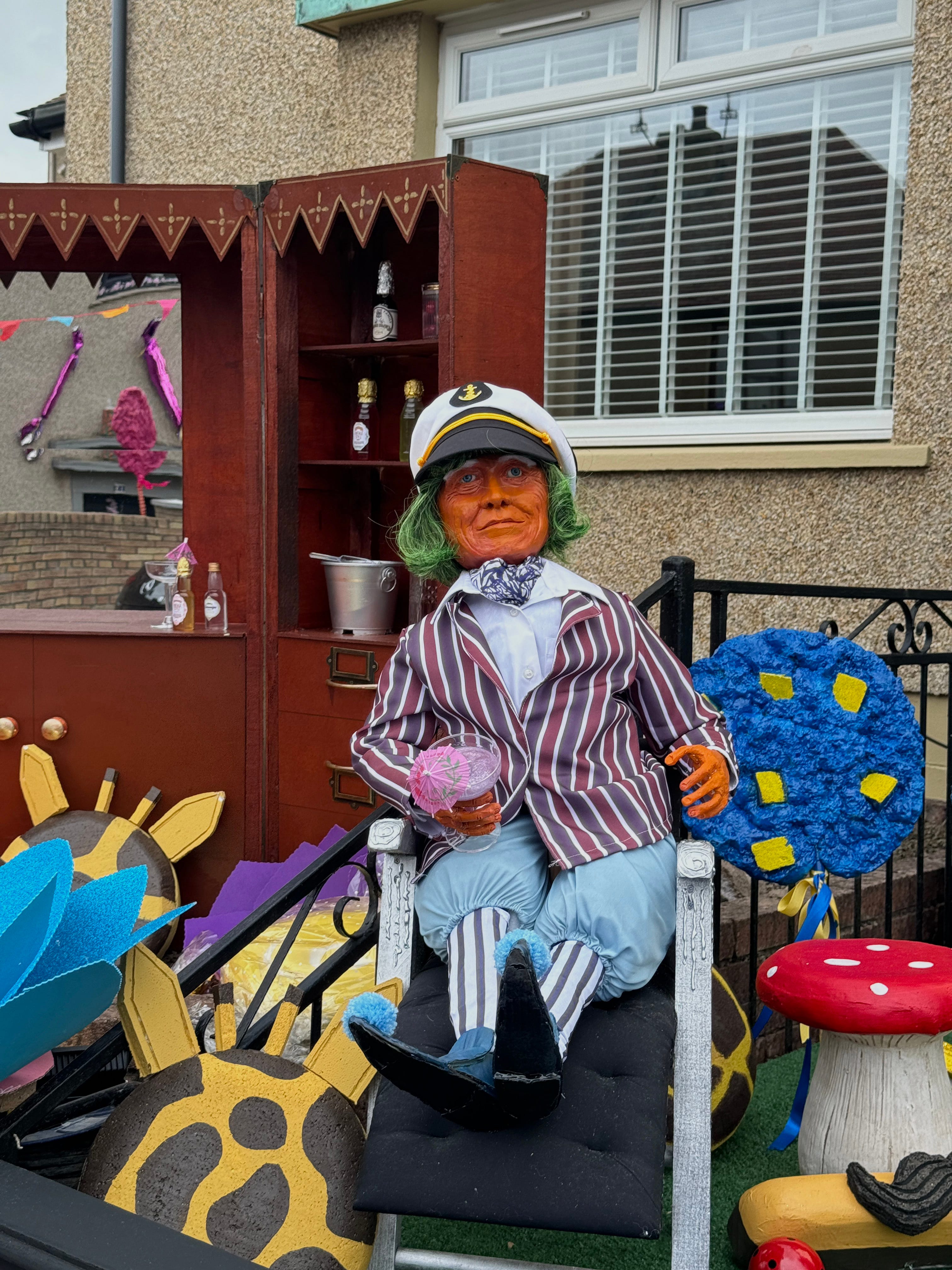
By that time, more arches had popped up in Bo’ness, and it was evident how life-affirming it was for communities and families to be coming together to continue a tradition and do something slightly bonkers too. I saw places in suburbia you would not believe. I explored and made pictures. I ate a subprime Tesco sandwich. Then I came home.
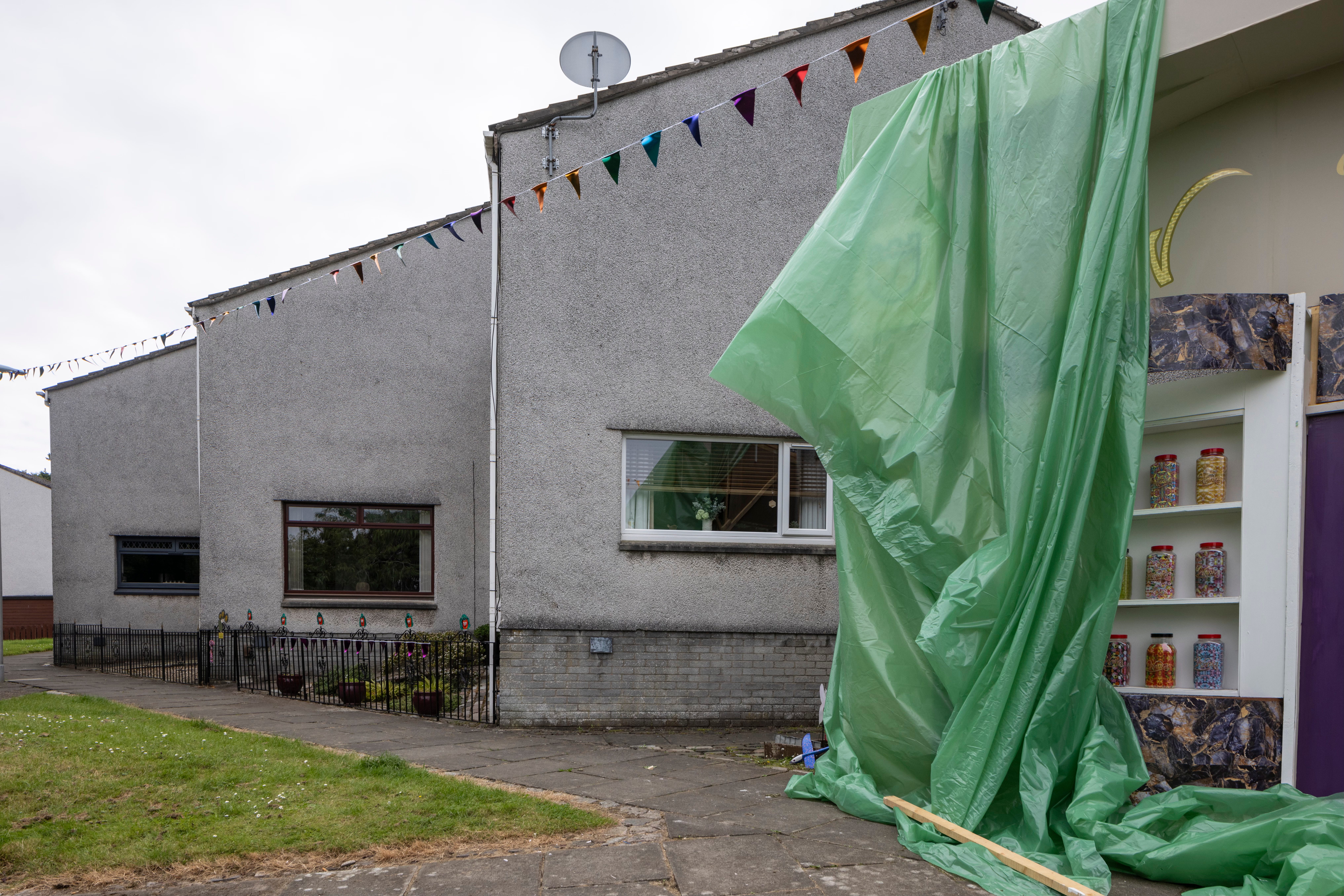
One shot crystallised the story for me. An arch was being finalised on the day of Fair e’en, when townsfolk drive around town looking at the temporary structures. The plastic sheet wrapping the arch resembled a theatre curtain being drawn back or perhaps, more grandly, a veil between worlds ripped asunder, revealing the magic of a reality hidden behind.
I don’t yet know how or when these photos might appear in the world as they were uncommissioned. But I do know that I wouldn’t have taken most of them in the first place if I hadn’t phoned that friend. So remember, in times of self-doubt, that vital artist’s tool: the unsung team of people who know you well and want you to succeed.


